Work Hard and Be Nice to People
As an embroidery designer and product reviewer, I’ve seen thousands of designs come and go. But when I first laid eyes on Work Hard and Be Nice to People, it immediately stood out for its simplicity, clarity, and the positive message it carries. This design isn’t just a text-based embroidery file—it’s a statement. Whether you’re creating custom apparel, personalized gifts, or small business merchandise, this piece has the potential to resonate with a wide audience.
The First Impression
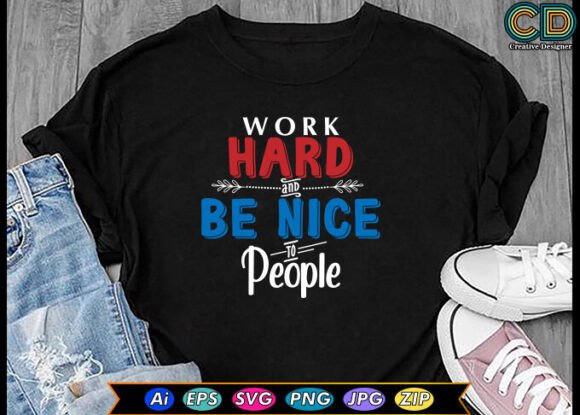
Work Hard and Be Nice to People opens with a clean, straightforward layout that feels instantly recognizable. The font choice is modern yet approachable, making it suitable for both casual and professional settings. The spacing between words is well-balanced, ensuring that the message remains legible even at smaller sizes. It doesn’t try to be overly ornate or complex—this is a design that values clarity over flair.
The visual personality of this design is warm and encouraging. It’s the kind of message that could easily be stitched onto a tote bag, a baby onesie, or a patch for a work uniform. Its minimalist nature makes it versatile, but it also means that the quality of the embroidery will play a big role in how it ultimately looks.
Real-World Embroidery Performance
When I tested Work Hard and Be Nice to People on different fabrics and hoop sizes, it performed consistently well. On cotton t-shirts and sweatshirts, the design came out crisp and clear, especially when using a medium stitch density. The satin stitch worked beautifully on the letters, giving them a smooth, polished look without being too stiff.
For custom apparel, this design is a solid choice. It adds a personal touch without overwhelming the garment. I found it particularly effective on tote bags and sweatshirts, where the message can be seen from a distance. However, on thin fabric or stretchy material, I noticed some slight distortion in the corners of the letters. A proper stabilizer helped mitigate that, but it’s something to keep in mind.
On baby clothes, the design was slightly too large for my taste. If you’re planning to use it on a onesie or a blanket, consider scaling it down to fit the space. For embroidered patches, it works well as long as the hoop size isn’t too small. Tiny lettering can become lost if not handled carefully, so testing on scrap fabric before committing to a project is always a good idea.
Where to Use It Carefully
While Work Hard and Be Nice to People is generally easy to work with, there are a few situations where caution is needed. On dark fabric, the contrast between the thread color and the background becomes crucial. If the thread is too light, the design may not stand out as intended. Similarly, on textured fabrics like denim or canvas, the stitching might not lay flat, which can affect the overall appearance.
For curved surfaces like caps or hats, the design requires careful placement. The curve can cause the letters to appear stretched or distorted unless the hoop is adjusted properly. Dense stitch areas can also lead to puckering if the stabilizer isn’t sufficient. I recommend using a tear-away or cut-away stabilizer depending on the fabric type.
If you're planning to use this as an applique design, make sure the edges are clean and well-defined. Any imperfections in the outline can show through, especially on lighter fabrics. Also, check whether the design works for both personalized gifts and commercial embroidery projects. Some files may have restrictions on resale or modification, so always confirm the licensing terms before selling finished products.
Impact on Visual Appeal and Customer Trust
Work Hard and Be Nice to People has a strong emotional appeal. It’s the kind of message that people want to see on their clothing, home decor, or gifts. When executed well, it can add significant value to a handmade product or a small shop merchandise. Customers often respond positively to messages that feel genuine and uplifting.
From a brand consistency standpoint, this design fits well into a variety of niches—whether you’re an Etsy seller, a craft business, or a digital product seller. It’s adaptable enough to be used across different product types, from holiday gifts to nursery decor. However, the success of the design depends largely on how it’s presented and how well it aligns with your brand’s aesthetic.
In terms of buyer engagement, this design has the potential to stand out in a crowded market. It’s simple enough to be used on a wide range of items, yet meaningful enough to feel special. For personalized products, it adds a thoughtful touch that customers appreciate.
Practical Designer Notes
Before finalizing any project with Work Hard and Be Nice to People, I recommend doing a few quick tests. Start by testing the design on scrap fabric to see how it looks in real life. Check the thread color contrast against your chosen fabric to ensure visibility. Review the stitch density and adjust as needed for the fabric type.
Confirm the hoop size required for the design. If it’s too large for your machine, consider splitting the design or resizing it. Inspect the small details to make sure they’re sharp and well-defined. Test it in black and white mockups to see how it looks without color. Compare it on light and dark fabric backgrounds to determine the best fit.
Finally, always use the right stabilizer for your project. Whether you’re working on a printed mockup or a finished product, the right support ensures a professional result. And don’t forget to check the licensing before using the design for commercial purposes. Some files may require attribution or have restrictions on resale.