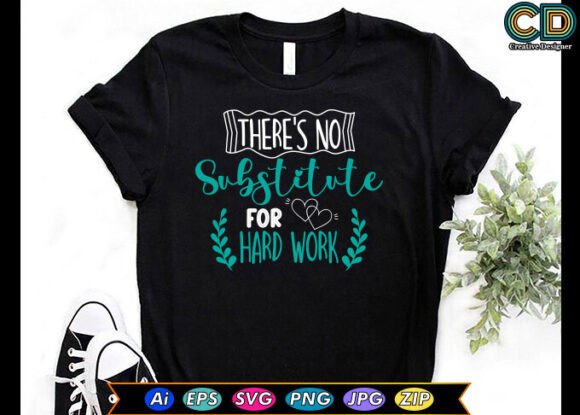
There's No Substitute for Hard Work
As an embroidery designer and product reviewer, I’ve evaluated countless machine embroidery designs. One that stands out is There's No Substitute for Hard Work. It’s a bold statement, and the design reflects that confidence. Whether you're creating custom apparel, personalized gifts, or small business merchandise, this design has potential—but it also requires careful consideration.
The First Impression
From the moment I opened the file, I was struck by the clean, strong typography. The phrase is simple but powerful, and the layout feels intentional. The lettering is well-proportioned, with a slightly modern yet classic feel. It doesn’t scream for attention, but it commands respect. This design is ideal for projects that need to make a statement without being over-the-top.
The visual personality of There's No Substitute for Hard Work leans toward professionalism and motivation. It’s perfect for items like tote bags, sweatshirts, or aprons—products that can double as both functional and inspirational pieces. The design’s structure makes it versatile enough for a variety of fabric types, but it also has specific requirements that need attention.
Real-Life Embroidery Performance
I tested There's No Substitute for Hard Work on a few different fabrics, including cotton, polyester, and a lightweight denim. On standard fabrics, the design stitched cleanly, with clear satin stitches and minimal puckering. The stitch density is moderate, which is great for most applications, but I noticed some areas where the fill stitches could be denser for better coverage on darker materials.
This design works well on custom apparel, especially for businesses that want to promote a work ethic or brand message. For example, if you’re creating a sweatshirt for a local gym or a boutique shop, this design could serve as a strong visual anchor. It also fits nicely on baby items, like onesies or burp cloths, where simplicity and clarity are key.
On curved surfaces like caps or hats, the design holds up well, but it’s important to ensure the hoop size is appropriate. Smaller hoop sizes might cause distortion in the corners, so testing on scrap fabric first is a must.
Where to Use It Carefully
While There's No Substitute for Hard Work is generally versatile, there are situations where it may not perform as expected. On textured fabrics, such as linen or canvas, the design can look slightly less crisp due to the fabric’s natural grain. Thin or stretchy fabrics may require additional stabilizer to prevent puckering or shifting during stitching.
Dense stitch areas, especially in the lettering, could be problematic on dark fabrics. If the thread color doesn’t contrast enough, the text may blend into the background. I recommend testing the design on both light and dark fabric samples before finalizing any project.
For commercial embroidery projects, it’s essential to confirm licensing terms. While the design seems suitable for personal and small business use, always check the permissions to avoid legal issues when selling finished products or digital files.
Impact on Visual Appeal and Customer Perception
There's No Substitute for Hard Work adds value to any handmade product. Its clean lines and strong message can elevate the perceived quality of a finished item. Customers often appreciate designs that reflect effort and intention, and this one does just that.
When used on personalized gifts, like embroidered patches or tote bags, it creates a sense of authenticity. It’s also effective for holiday or wedding gifts, where the message resonates with the occasion. The design’s professional appearance helps build trust with buyers, making it a good fit for Etsy sellers and craft fair vendors.
For small shop owners, this design can be a reliable asset in your design library. It’s easy to adapt for different products, from kitchen towels to nursery decor. The key is to maintain consistency in how it’s presented across all platforms.
Practical Designer Notes
Before using There's No Substitute for Hard Work in a real project, here are a few things to keep in mind:
- Test the design on scrap fabric to see how it looks in different conditions.
- Check thread color contrast, especially on dark backgrounds.
- Review stitch density to ensure it’s suitable for your chosen fabric.
- Confirm the correct hoop size for your embroidery machine.
- Inspect small details like corners and lettering for accuracy.
- Test the design in black and white mockups to see how it translates.
- Compare how it looks on light and dark fabric backgrounds.
- Use proper stabilizer for delicate or stretchy materials.
- Verify whether the design is licensed for commercial use.
- Ensure it works for both personal and business projects.
Final Thoughts
There's No Substitute for Hard Work is a solid machine embroidery design with clear potential. It’s well-suited for custom apparel, personalized gifts, and small business merchandise. However, its success depends on how it’s applied and the care taken during the embroidery process.
As a designer, I appreciate the balance between simplicity and impact. It’s a design that can stand alone or complement other elements in a project. Whether you're an Etsy seller, a craft business owner, or a hobbyist, this design offers practical value when used thoughtfully.
Ultimately, the true test of any embroidery design is how it performs in real-world applications. With the right approach, There's No Substitute for Hard Work can become a staple in your creative toolkit.