You Have to Believe in Yourself when No
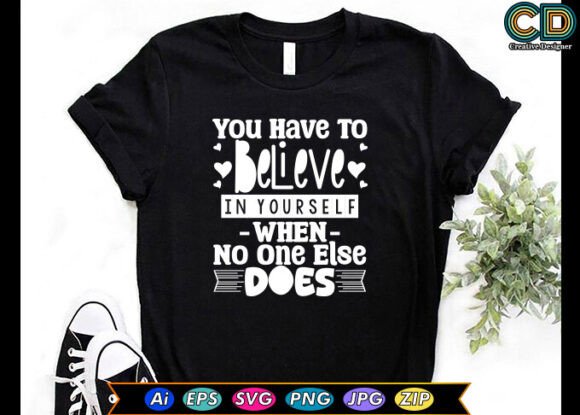
As a designer who’s worked with countless embroidery files, I always start by evaluating the mood and visual personality of a design before considering its practical use. You Have to Believe in Yourself when No has a strong, motivational tone that feels authentic and relatable. The text is clean, well-proportioned, and carries a sense of confidence that makes it ideal for projects aimed at inspiring or uplifting the viewer.
The First Impression: Mood and Visual Personality
From the first glance, You Have to Believe in Yourself when No feels like a statement piece. The layout is balanced, with clear spacing between words that allows the message to breathe. The font choice is modern yet approachable, making it versatile enough for both casual and more refined settings. It doesn’t scream for attention but commands respect through its simplicity and clarity.
This design would naturally fit into projects that emphasize personal growth, self-belief, or encouragement—such as custom apparel, baby items, or personalized gifts. Its visual personality aligns well with handmade products that aim to connect emotionally with the recipient.
Real-Life Embroidery Performance
When considering real-life embroidery situations, You Have to Believe in Yourself when No performs consistently across a range of applications. Whether it’s a tote bag design, a sweatshirt embroidery, or a baby onesie, the design maintains its integrity without looking cramped or overly large. The stitch density is moderate, which helps prevent puckering on most fabrics while still delivering a crisp, professional look.
For custom apparel, this design works well on t-shirts, hoodies, and caps. On a tote bag, it adds a subtle yet meaningful touch that complements the functionality of the item. As an embroidered patch, it retains its shape and detail, making it a great option for jackets or bags.
One thing to note is that the design may require careful placement on curved surfaces like caps or hats. The corners of the text are slightly rounded, which can make them appear less defined if not stitched precisely. A little extra attention during the hooping and stitching process will ensure the final result looks polished.
Where to Use with Caution
While You Have to Believe in Yourself when No is generally versatile, there are certain scenarios where it might not perform as expected. On small hoop sizes, the design could feel too large, leading to potential misalignment or incomplete stitching. For textured fabrics or thin, stretchy materials, it’s important to use the right stabilizer to prevent distortion.
On dark fabrics, the design may require a contrasting thread color to stand out effectively. Similarly, on layered garments or products that see frequent washing, the stitch density should be checked to ensure longevity. Tiny lettering or intricate details may need additional reinforcement to avoid fading or fraying over time.
Impact on Visual Appeal and Product Value
You Have to Believe in Yourself when No enhances the visual appeal of any project it’s used on. Its clean lines and thoughtful spacing make it easy to read and visually pleasing. When incorporated into a finished product, it adds a layer of meaning that can elevate the perceived value of the item.
For small business owners and Etsy sellers, this design can help build customer trust. A well-executed embroidery project with a meaningful message often resonates more with buyers, increasing the likelihood of repeat purchases and positive reviews. It also supports brand consistency, especially for businesses that focus on empowerment, mindfulness, or lifestyle themes.
As a personalized gift, You Have to Believe in Yourself when No offers a unique and heartfelt touch. Whether it’s a holiday gift, a wedding present, or a birthday surprise, the design conveys a powerful message that can make the recipient feel valued and supported.
Practical Designer Notes
Before using You Have to Believe in Yourself when No in a project, I recommend testing it on scrap fabric first. This allows you to assess how the design looks in different thread colors and on various fabric types. Checking the stitch density is also essential—too much can cause bulk, while too little may lead to a weak appearance.
Confirming the correct hoop size is another key step. If the design is too large for your machine’s hoop, you may need to split it or adjust the placement. Inspecting small details like corners and curves ensures that the final embroidery looks sharp and intentional.
Testing the design in black and white mockups can help you visualize how it will appear on different backgrounds. Comparing it on light and dark fabrics will reveal any issues with contrast or visibility. Using the proper stabilizer is crucial, especially for delicate or stretchy materials.
Finally, make sure the design is suitable for both personal and commercial use. Check the licensing terms before selling finished items or digital products. If the file is editable, you can customize it further to match your specific needs or branding.
Final Thoughts
You Have to Believe in Yourself when No is a solid machine embroidery design that offers both aesthetic appeal and emotional resonance. It’s well-suited for a wide range of projects, from custom apparel to handmade gifts, and can add value to any craft business or creative endeavor.
Whether you’re an experienced embroiderer or just starting out, this design provides a reliable foundation for creating meaningful, high-quality products. With proper care and attention to detail, it can become a standout element in your collection of embroidery files and design assets.