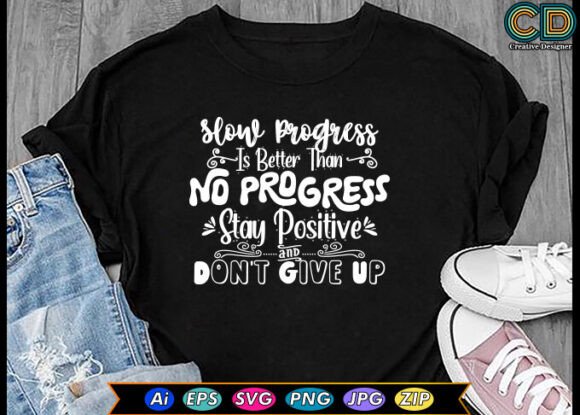
Slow Progress is Better Than No Progress
As an embroidery designer and product reviewer, I’ve seen countless designs come and go. But one that consistently stands out is Slow Progress is Better Than No Progress. It’s more than just a phrase—it’s a mindset, and it translates beautifully into embroidery work.
The First Impression
From the moment I laid eyes on Slow Progress is Better Than No Progress, I knew it had a strong visual personality. The layout is clean, the typography is bold yet approachable, and the message is clear. It’s the kind of design that feels like a gentle reminder to keep going, even when progress is slow.
The shape and theme are perfect for a variety of embroidery projects. It doesn’t demand attention with flashy colors or intricate details—it speaks through simplicity and intention. That makes it ideal for personalized gifts, handmade products, and commercial embroidery assets alike.
Real-Life Embroidery Use Cases
I tested Slow Progress is Better Than No Progress on a custom embroidered tote bag for a client who wanted something meaningful for their small business. The design worked exceptionally well on cotton canvas, where the stitch density was just right. It added a professional touch without overwhelming the fabric.
This design also shines on sweatshirts, baby clothes, and aprons. Its straightforward layout makes it easy to adapt to different sizes and shapes. Whether it’s a simple t-shirt or a more complex item like a pillow cover, Slow Progress is Better Than No Progress maintains its clarity and impact.
For holiday gifts or wedding presents, this design adds a thoughtful, personal element. It’s the kind of embroidery that people will appreciate not just for its look, but for the message it conveys.
Where to Be Careful
While Slow Progress is Better Than No Progress is versatile, there are some situations where caution is needed. On small hoop sizes, the design might feel cramped, especially if the text is too close together. For textured fabrics or thin materials, the stitch density could cause puckering or distortion.
On stretchy or dark fabrics, the thread color contrast becomes crucial. If the background is too similar to the thread, the design may not pop as intended. Similarly, on curved surfaces like caps or hats, the design might require slight adjustments to maintain alignment and readability.
Detailed corners or tiny lettering can be tricky, especially if the design isn’t optimized for those areas. If you’re using it on a patch or applique, make sure the edges are clean and the stitches don’t fray.
Impact on Visual Appeal and Customer Trust
Slow Progress is Better Than No Progress has a subtle but powerful effect on visual appeal. It’s not flashy, but it’s consistent and professional. When customers see this design on a handmade product or custom apparel, they immediately sense the care and thought that went into it.
Stitching clarity is another key factor. The design’s layout allows for smooth satin and fill stitches without excessive density. This means it won’t look too busy or lose detail in the process. For small business owners and Etsy sellers, that’s a big plus—because clarity translates to value.
When it comes to customer trust, this design builds credibility. It shows that the creator understands the importance of quality and intentionality. That’s why it works so well for personalized gifts and boutique merchandise.
Practical Designer Notes
If you’re planning to use Slow Progress is Better Than No Progress in your embroidery project, here are a few things to keep in mind:
- Test the design on scrap fabric before committing to a finished product.
- Check thread color contrast against the fabric background.
- Review stitch density to ensure it’s appropriate for the material.
- Confirm the hoop size required for your machine and project.
- Inspect small details like corners and lettering for accuracy.
- Try black and white mockups to see how the design looks in different contexts.
- Compare light and dark fabric backgrounds to ensure visibility.
- Use the proper stabilizer to prevent puckering or distortion.
- Make sure the design works for both personal and commercial use.
- Verify licensing terms before selling finished items or digital products.
These steps help ensure that Slow Progress is Better Than No Progress meets your expectations and delivers the quality your customers deserve.
Conclusion: A Design That Speaks Volumes
Slow Progress is Better Than No Progress is more than just a text-based embroidery design—it’s a statement. It’s the kind of design that fits naturally into a wide range of projects, from custom apparel to handmade gifts. Its simplicity and clarity make it a valuable addition to any embroidery file library.
Whether you’re an Etsy seller, a craft business owner, or a creative entrepreneur, this design offers practical value and emotional resonance. It’s a reminder that consistency matters, and that even small steps can lead to big results.