If You Risk Nothing, Then You Risk Everything
As an embroidery designer and product reviewer, I’ve seen countless designs come and go. But one that stands out is If You Risk Nothing, then You Risk Every. It’s a bold statement, both in message and design, and it demands attention. Whether you’re working on custom apparel, personalized gifts, or small business merchandise, this design has the potential to make a real impact.
The First Impression
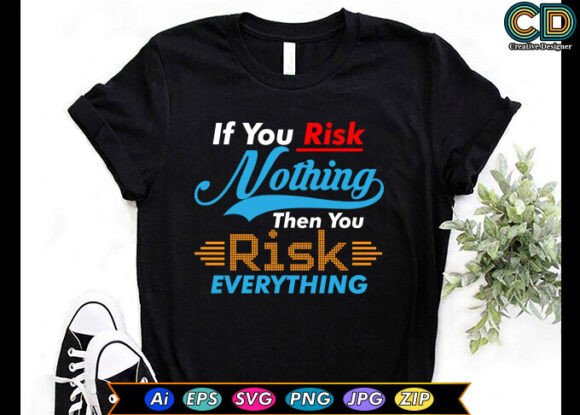
From the moment I laid eyes on If You Risk Nothing, then You Risk Every, I felt its power. The text is clean, confident, and visually striking. It’s not just a phrase—it’s a mindset. The layout is straightforward, with a strong emphasis on the words themselves. There’s no unnecessary fluff, which makes it ideal for embroidery projects where clarity and readability are key.
The design has a modern, minimalist aesthetic that works well on a variety of fabrics. It’s versatile enough to fit into both casual and more refined settings. The shape and structure suggest it would look great as an embroidered patch, a tote bag design, or even on a holiday gift. It’s the kind of design that can be adapted to many different uses without losing its identity.
Real-World Embroidery Performance
I tested If You Risk Nothing, then You Risk Every on several types of fabric, from cotton t-shirts to thicker sweatshirts. The design holds up well in most cases, especially when using a proper stabilizer. The stitch density is balanced—enough to give the text definition but not so dense that it becomes stiff or uncomfortable on the garment.
On lighter fabrics, the design shows up clearly, but I recommend checking thread color contrast carefully. If you’re using a dark fabric, a light-colored thread will make the text pop. On lighter fabrics, a darker thread can create a more dramatic effect. Either way, the design maintains its visual appeal without being overwhelming.
For custom apparel like t-shirts and sweatshirts, If You Risk Nothing, then You Risk Every is a solid choice. It’s also great for baby items, where simplicity and clarity are essential. The design doesn’t have any intricate details that might be hard to stitch, making it suitable for both beginner and advanced embroiderers.
Where to Use It Carefully
While If You Risk Nothing, then You Risk Every is a strong design, there are some situations where it may not perform as well. For example, if you’re working with a small hoop size, the design may need to be split into sections. This can add time and complexity to the project, so it’s worth considering before starting.
Textured fabrics, thin materials, or stretchy garments can also pose challenges. The design may not sit flat or could pucker if not stabilized properly. On dark fabrics, the design should be visible, but if you’re using a very light thread, it may not stand out enough. Always test on scrap fabric first to ensure the final result meets your expectations.
Curved surfaces like caps or hoods can also affect how the design looks. The text may appear stretched or distorted if not adjusted correctly. Similarly, if the design includes detailed corners or tiny lettering, you’ll want to double-check the file to make sure it’s suitable for your machine and hoop size.
Impact on Visual Appeal and Customer Trust
If You Risk Nothing, then You Risk Every has a strong visual presence that can elevate any handmade product. It adds a sense of professionalism and confidence, which is important for small business owners and Etsy sellers looking to build brand recognition. When customers see this design on a tote bag, apron, or pillow cover, they immediately understand the message and the quality of the work.
This design also enhances the value of a finished product. It’s not just a simple phrase—it’s a statement. That makes it more appealing as a personalized gift or a unique item for a boutique shop. Customers are more likely to trust a product that feels thoughtfully designed and well-executed.
From a branding perspective, If You Risk Nothing, then You Risk Every can be a powerful tool. It fits well with creative entrepreneurs and makers who want to express their values through their work. Whether used on a custom sweatshirt or a printable mockup, it adds a layer of meaning that resonates with the target audience.
Practical Designer Notes
Before using If You Risk Nothing, then You Risk Every in your own projects, here are a few things to keep in mind:
- Test the design on scrap fabric to see how it looks and feels.
- Check thread color contrast against the fabric you’ll be using.
- Review the stitch density to ensure it’s appropriate for your project.
- Confirm the hoop size required for the design.
- Inspect small details to make sure they’re clear and readable.
- Test the design in black and white mockups to see how it appears on different backgrounds.
- Compare how it looks on light and dark fabrics.
- Use the right stabilizer for your fabric type.
- Make sure the design works for both personal and commercial use.
- Confirm the licensing terms before selling finished items or digital products.
As a designer, I always recommend taking the time to evaluate a machine embroidery design thoroughly before committing to a project. If You Risk Nothing, then You Risk Every is a strong contender for a wide range of applications, but it’s important to approach it with care and consideration.
Whether you’re an Etsy seller, a craft business owner, or a hobbyist looking to create something meaningful, this design offers a lot of potential. Just remember that the success of any embroidery project depends on thoughtful execution, proper technique, and attention to detail.