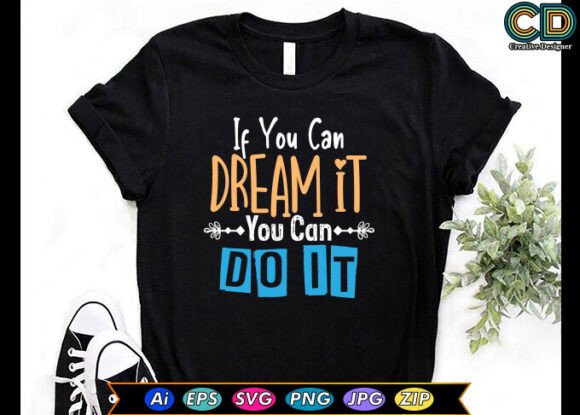
If You Can Dream It, You Can Do It
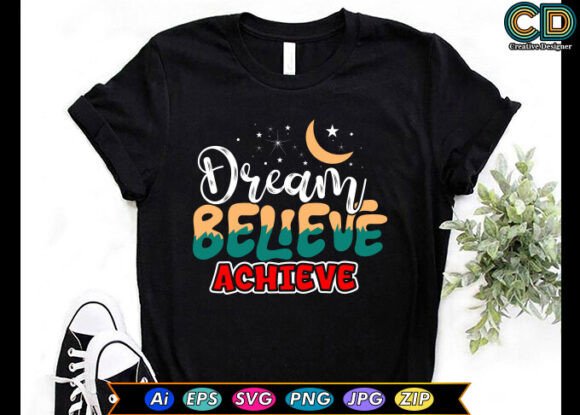
As an embroidery designer and product reviewer, I’ve seen my fair share of designs—some that feel like a perfect fit for real projects, and others that fall short in practical application. If You Can Dream It, You Can Do It is one of the former. This design has a clear visual identity and a strong message that translates well into various embroidery applications. But before jumping into using it on your next project, let’s take a closer look at how it performs in real-world scenarios.
The First Impression: A Design That Speaks Volumes
The first thing that stands out about If You Can Dream It, You Can Do It is its bold, motivational tone. The text is clean, modern, and easy to read, making it ideal for projects that aim to inspire or uplift. The layout is balanced, with a natural flow that works well on both vertical and horizontal surfaces. The design doesn’t have excessive details, which means it can be adapted to a wide range of fabrics and project types without feeling cluttered.
This design feels like it was made for custom apparel, personalized gifts, or even small business branding. Its simplicity makes it versatile, but it also requires careful consideration when it comes to stitching and fabric choice.
Real-World Embroidery Use Cases
Whether you're working on a tote bag design, a sweatshirt embroidery, or a baby item, If You Can Dream It, You Can Do It has potential. The font is large enough to be readable at a distance, which is essential for items like aprons, caps, or patches that might be viewed from a few feet away.
For example, if you’re creating a custom embroidered tote bag for a client, this design would work well as a central statement piece. It adds a touch of personality without overwhelming the fabric. Similarly, on a sweatshirt, it could serve as a subtle yet meaningful addition that aligns with the brand’s message.
However, this design isn’t suited for every project. On smaller hoop sizes, the text might appear cramped, especially if the font is too thin. For intricate details, such as tiny lettering or decorative accents, it may not hold up as well as more detailed designs.
Where to Be Careful: Practical Considerations
While If You Can Dream It, You Can Do It is a strong design, there are certain situations where it may not perform as expected. For instance, on textured fabrics or stretchy materials, the stitches might not sit flat, leading to a less polished finished product. Thin or dark fabrics can also pose challenges, especially if the thread color doesn’t contrast well.
When working with curved surfaces like caps or hats, the design may need some adjustment to ensure it fits the shape properly. Likewise, on layered garments or products that require frequent washing, the stitch density and stabilizer use become critical factors in maintaining the design’s integrity over time.
It’s also worth noting that this design might not be the best choice for projects that require high levels of detail in corners or dense stitch areas. If you're looking for something with more complexity, you might want to explore other options.
Visual Appeal and Customer Perception
Embroidery is as much about aesthetics as it is about function, and If You Can Dream It, You Can Do It delivers a clean, professional look that can elevate any handmade product. When stitched correctly, it adds value to the finished item, making it more appealing to customers who appreciate thoughtful design.
From a customer perspective, this design can create a sense of trust and professionalism. It’s the kind of design that feels intentional, which is important for small shop products, Etsy listings, or craft fair booths. It also enhances giftability, as the message is universal and can resonate with a wide audience.
For creative entrepreneurs, this design could be a valuable addition to your design assets. Whether you’re selling digital embroidery files or using it in commercial embroidery projects, it has the potential to boost brand consistency and recognition.
Practical Designer Notes: Things to Keep in Mind
Before using If You Can Dream It, You Can Do It in your next project, there are a few key steps to follow. First, test the design on scrap fabric to see how it looks in different thread colors and fabric textures. This will help you determine the best combination for your specific project.
Check the stitch density to ensure it’s appropriate for the fabric you’re using. If the design is too dense, it may cause puckering or distortion. Conversely, if it’s too light, it may not hold up over time. Always use the right stabilizer for the fabric type to maintain the design’s quality.
Consider how the design will look in black and white mockups, especially if you’re creating printable mockups for clients or digital product previews. Also, compare the design on light and dark fabric backgrounds to ensure it remains visible and legible in all settings.
Finally, make sure the design is suitable for both personal and commercial use. While the product description mentions editable AI, SVG, and EPS files, it doesn’t specify licensing terms. Always confirm the usage rights before selling finished items or digital products.
Conclusion: A Versatile Design with Real Potential
If You Can Dream It, You Can Do It is a design that offers both emotional appeal and practicality. It’s well-suited for custom apparel, personalized gifts, and small business merchandise, but it requires careful attention to detail when it comes to stitching and fabric selection. With the right approach, it can be a valuable asset in your embroidery projects, whether you're an Etsy seller, a craft business owner, or a creative entrepreneur.